

Study Permit Toronto
Study permit Toronto applicants now file into a tighter 2026 system, where the Student Direct Stream is gone and the proof-of-funds figure shifts while a file is open. Mirzoyan Immigration prepares, reviews, and submits the full study permit package for Toronto-area students applying to a Designated Learning Institution. The practice covers U of T, TMU, OCAD, George Brown, Seneca, Humber, Centennial, and York. Every file is built and filed by a licensed RCIC: Narek Mirzoyan, RCIC # R1005184, or Vahe Mirzoyan, RCIC # R514223, or The firm serves Toronto students in person, online, or by phone, on a transparent flat fee, never billed by the hour. Book a Toronto study permit consultation to start.
Last reviewed by Narek Mirzoyan, RCIC # R1005184, on 2026-06-25.
Is a Toronto Study Permit For you?
The application is stressful, the documents stack up, and one missing letter can cost you a semester. This service fits the applicant who wants a licensed Toronto RCIC to build the file end-to-end and review it against IRCC's eligibility requirements before submission. It is the right fit if:
You have an offer from a Toronto-area DLI (U of T, TMU, OCAD, George Brown, Seneca, Humber, Centennial, or York).
You want a licensed RCIC to review your PAL, DLI letter, and proof of funds in one file.
You hold a prior refusal, a complex study plan, or a sponsor whose funds need documentation.
You want service in English, Russian, or Armenian, for you or for a sponsor abroad.
You would rather have an RCIC handle the IRCC Secure Account submission than file it yourself.
For the national reference rather than the Toronto-specific service, read our complete guide to study permits in Canada.

What Mirzoyan Immigration Handles for Your Toronto Study Permit
The firm prepares and submits the full study permit package for Toronto-based applicants. For a new applicant outside Canada, that means form IMM 1294E (Application for a Study Permit Made Outside of Canada). For a current permit holder extending or changing institutions inside Canada, it means form IMM 5709 (Application to Change Conditions, Extend My Stay or Remain in Canada as a Student). The firm submits the package through your IRCC Secure Account, confirms the Provincial Attestation Letter is attached where one is required, and verifies the DLI number against the official IRCC list. The team reviews your proof-of-funds position, drafts sponsor letters where needed, and checks your study plan for the intent-to-leave refusal risk under IRPR 216(1). You supply the source documents: transcripts, language-test result, passport scans, and financial records. To hire help at the national level, see what a study permit consultant handles.
How the Study Permit Process Works for Toronto Applicants
The file moves through five steps from the first consultation to the IRCC decision.
-
You meet your RCIC in person, online, or by phone, and the firm assesses eligibility against IRCC's four-part test. Bring your DLI letter of acceptance, passport, language-test result, and academic transcripts.
-
Mirzoyan Immigration Services checks your letter of acceptance and the institution’s DLI status, then confirms whether a Provincial Attestation Letter (PAL) is required. The province or territory issues the attestation; contact your school for instructions on obtaining it. Include a valid PAL with the application unless an exemption applies, and provide evidence of the exemption. From January 1, 2026, students in a degree-granting master’s or doctoral program at a public DLI are exempt. See IRCC’s PAL requirements and the official DLI list.
-
The firm prepares IMM 1294E, or IMM 5709 for an inside-Canada extension, organizes your proof of funds, reviews any sponsor documentation, and refines the study plan. You provide the financial records and a draft statement of purpose.
-
The firm submits the package on your instruction and pays the government fees through the portal. You confirm the Biometric Instruction Letter when it arrives in your account.
-
If biometrics are required, wait for IRCC’s biometric instruction letter, then book at a designated Service Canada office in Canada or another official collection site listed by IRCC. Bring the required documents and meet the deadline in the letter. Mirzoyan Immigration Services monitors the application and responds to IRCC requests within their deadlines. Check IRCC’s processing-times tool for an estimate; it does not guarantee when your decision will arrive. See the biometrics instructions.
Documents You Will Need for Your Toronto Study Permit Application
The package depends on your study level and your DLI, but most Toronto applicants need the following, per IRCC's document checklist:
Letter of acceptance from your Toronto DLI, with the DLI number matching the official IRCC list (proves enrolment).
Provincial Attestation Letter (PAL) issued by Ontario through your DLI, where required for your category.
Passport valid for the full intended period of study.
Proof of funds: first-year tuition plus living expenses for you and any accompanying family. The single-applicant living-expense figure outside Quebec moved to a dynamic Low-Income Cut-Off model on January 27, 2026, so the dollar amount can shift while your file is open.
Language-test result (IELTS, CELPIP, or TEF) where your DLI or program requires it.
Statement of purpose / study plan explaining your program choice, your reason for studying in Canada, and your ties to home.
Photographs to IRCC specifications.
Police certificate and medical exam if your country of residence requires them.
Pull each item together before the consultation, and bring the originals. The list above doubles as your pre-consult checklist.
Typical Timeline and Government Fees for a Toronto Study Permit
Processing time moves week to week, so the consultation is the moment to lock the current number against your start date. The Student Direct Stream closed on November 8, 2024, which means every applicant now files under the Regular stream, slower on average than the old four-to-six-week SDS track. The only reliable figure is the IRCC processing-times tool for your visa office on submission day. Biometrics adds time once IRCC issues the instruction letter, and paper applications run longer than online submissions. The firm checks the current figures against your start date during the consultation, so you can plan a realistic submission window.
The government fees are set by IRCC, not by Mirzoyan Immigration. The study permit application fee is $150, and the biometrics fee is $85. Visa Application Centre service fees vary by country and are paid to the VAC, not to the firm. The firm's own charge is a transparent flat fee quoted at the consultation, with no hourly billing and no published fee menu, because the scope of each file is different. See our flat-fee structure, then book a consultation for a quote.
Common Mistakes Toronto Study Permit Applicants Make
In my consultations with Toronto-area students, four refusal patterns repeat across U of T, TMU, George Brown, Seneca, and the public-private partnership programs. None of them is about whether the student is genuine. Each is about a document that does not survive an officer's review.
The first is applying without a PAL when one is required. Most post-secondary applicants outside Quebec need a Provincial Attestation Letter for the 2026 intake. Submit without one where it is required, and IRCC returns the application without processing it and refunds the fee, costing weeks of timeline. A 2025 PAL filed on an early-2026 application is the wrong-year version and is treated the same way, because a 2025 PAL is no longer valid as of January 1, 2026.
The second is accepting an unverified or wrong DLI number. Some private-college and public-private partnership offers look legitimate, yet the institution is not PGWP-eligible at graduation, and students learn this only after they enrol. Separately, a single wrong digit in the DLI number on the Letter of Acceptance is, in practice, an instant refusal, because officers match the number against the IRCC list at assessment. Verify the DLI number before you accept, not after.
The third is undisclosed previous refusals. IMM 1294E asks about prior refusals from any country. What this means is that omission is misrepresentation under IRPA section 40, and it carries a five-year inadmissibility, not a simple refusal. Disclose every prior application, including a tourist-visa refusal from years ago.
The fourth is proof of funds with unexplained lump-sum deposits or an inaccessible structure. A large deposit that lands in the account one to three weeks before submission, with no source documentation, is a top reason an officer notes "source of funds unclear" in GCMS. A fixed deposit locked with no early-withdrawal clause is read as inaccessible. The full standard, including the seasoning officers expect beyond IRCC's published four-month rule, is in our guide to proof of funds for a study permit.

Ready to start your study permit application in Toronto?
Reach a Licensed Immigration consultant Today
Book a free 15-minute FREE assessment call, or call 1-888-636-2122.
Every consultation is with Narek Mirzoyan, RCIC # R1005184, or Vahe Mirzoyan, RCIC # R514223. Not an intake coordinator.

Why Toronto Students Choose Mirzoyan Immigration
One on One Advisory. When you hire Mirzoyan Immigration, your questions go directly to a licensed practitioner. Not an intake coordinator. Not a paralegal assistant. The person who reviews your document is the person who notarizes it and answers your questions about it.
The Mirzoyan Methodology. Every file moves through six stages before IRCC sees it: Risk diagnosis, Evidence mapping, document verification, consistency audit, submission; and IRCC response management. Each stage catches a specific officer-flag pattern.
Service in English, Russian, and Armenian.
A transparent flat fee, never billed by the hour.
Canada-wide service, in person, online, or by phone.
Read more on our Google Business Profile, rated 5.0 from 261 reviews by Mirzoyan Immigration clients.
Frequently Asked Questions About Study Permits in Toronto
-
Mirzoyan Immigration charges a transparent flat fee, quoted during the consultation based on the scope of the file. A clean file is priced differently from a file with a prior refusal or sponsor documentation. The firm's fee is separate from IRCC's government fees, which are $150 for the study permit and $85 for biometrics. Visa Application Centre service fees in your country are separate again.
-
No. Mirzoyan Immigration serves Toronto students in person, online, or by phone, and the full file can be handled remotely. Consultations run on Zoom or Microsoft Teams, and documents are exchanged through a secure portal. The choice is yours: meet in person if you prefer, or complete the entire application without leaving home. Service is available in English, Russian, and Armenian.
-
Yes, because the consultation is most useful before the PAL arrives. The firm reviews your DLI letter and confirms whether a PAL is required for your category. It then times the application against your program start date and prepares every non-PAL document, so the package is ready to submit the day the PAL is issued. PAL allocation timing varies by Ontario DLI and by intake.
-
Yes. The practice covers Toronto-area study permit applications across the major DLIs: U of T, Toronto Metropolitan University, OCAD, George Brown, Seneca, Humber, Centennial, and York. The file structure differs slightly by institution. Some DLIs issue PALs faster than others, and some programs hold stricter language-test thresholds, which the firm accounts for when timing the submission.
-
Processing time varies by visa office, country, and file completeness, so the only reliable figure is the IRCC processing-times tool on your submission day. The Student Direct Stream closed on November 8, 2024, so every applicant now files under the slower Regular stream. Parents and sponsors abroad are welcome to join the consultation by secure video, and the call can run entirely in Russian or Armenian.
Related Services and Resources
To hire help at the national level, see what a study permit consultant handles, and for the full reference read our complete guide to study permits in Canada. Before you accept an offer, confirm your school on the designated learning institution list and read what the Provincial Attestation Letter requires for your category. If you live elsewhere in the Greater Toronto Area, the firm runs the same service from city pages for study permit Mississauga and study permit Scarborough.

Next Steps for Your Toronto Study Permit Application
Toronto intake deadlines, PAL allocation timing, and biometrics scheduling backlogs all stack against the late applicant, and the dynamic LICO model means your proof-of-funds figure can shift between today and your submission date. The earlier you book, the more options you hold on submission timing. The firm reviews your DLI letter, PAL, and proof of funds in one sitting, quotes a flat fee, and submits through the IRCC Secure Account. Book a consultation with our Canadian immigration representatives, or call 1-888-636-2122. Every consultation is with Narek Mirzoyan, RCIC # R1005184, or Vahe Mirzoyan, RCIC # R514223.
Trusted Toronto Immigration Consultants
Trusted Toronto immigration team helping individuals and families with spousal sponsorships, work permits, visitor visas, and permanent residence.
Narek Mirzoyan
Vahe Mirzoyan
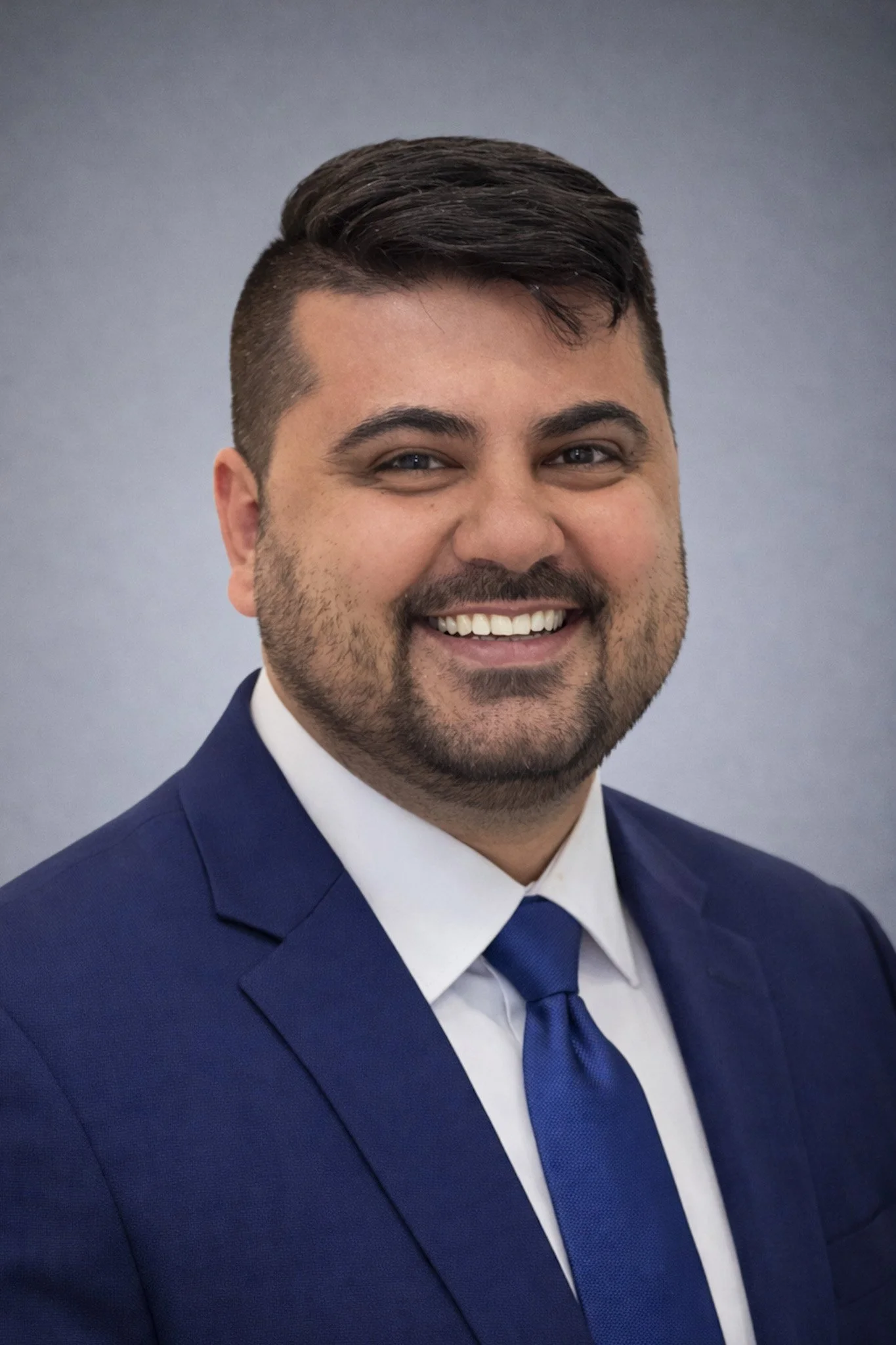
Narek Mirzoyan is a Regulated Canadian Immigration Consultant (RCIC#R1005184) in good standing with the College of Immigration and Citizenship Consultants, a proud member of the Canadian Association Of Professional Immigration Consultants (CAPIC), a Licensed Paralegal (P12490) with the Law Society of Ontario, the founder of Mirzoyan Canadian Immigration Services Inc. and an immigrated to Canada himself. That experience shapes how he explains each step to clients.
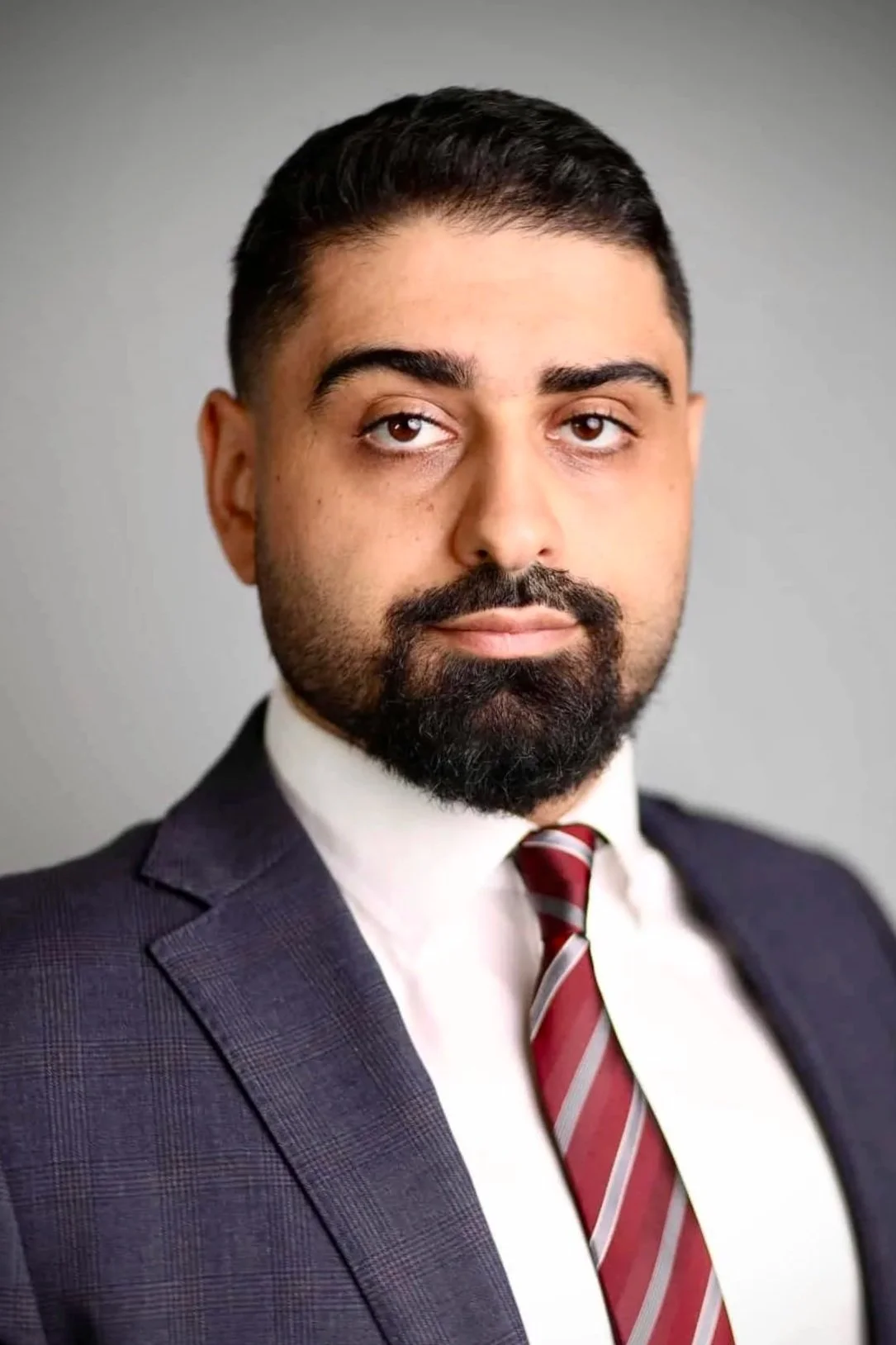
Vahe Mirzoyan is a seasoned Regulated Canadian Immigration Consultant (RCIC#R514223) with over a decade of dedicated experience working with individuals, corporations, and institutions on the full spectrum of Canadian immigration law. With a career built on precision, integrity, and an unwavering commitment to client success, Vahe has established himself as a trusted authority in Canadian immigration.
This page is general information about the Canadian study permit in Toronto and is not legal or immigration advice. Individual circumstances vary, and IRCC policy can change without notice. For advice on your situation, book a consultation with a licensed Regulated Canadian Immigration Consultant at Mirzoyan Immigration.