Super Visa in Canada: Complete Guide
By Narek Mirzoyan, RCIC # R1005184
Last reviewed by Narek Mirzoyan, RCIC # R1005184, on .
Table of Contents
- What Is the Super Visa?
- Current Super Visa Rules and What Changed
- Host and Applicant Responsibilities Must Line Up
- The Super Visa Journey From Route Fit to Entry
- The Evidence Must Tell One Story
- The Internal Logic of an IRCC Officer
- Visa Validity, Authorized Stay, and Visitor Status
- Strategic Trade-off Matrix
- Red Flags & Procedural Fairness Letters (PFL)
- Choose the Right Next Guide or Service
- Key Takeaways
- Frequently Asked Questions
- Next Steps for a Super Visa Application
Key Takeaways
A Super Visa supports extended temporary visits. It does not grant permanent residence, work authorization, or guaranteed admission.
The host provides status, residence, invitation, and financial-support evidence. The parent or grandparent provides relationship, insurance, medical-examination, and temporary-purpose evidence.
March 31, 2026 introduced new income methods, while the qualifying foreign-insurer route began in 2025. Current conditions still require careful validation.
Visa validity, authorized stay, and visitor status use different dates. Check the document controlling the family’s immediate decision.
One on One Advisory keeps Super Visa support connected to the licensed RCIC responsible for the file.

TL;DR
Super Visa Canada can allow eligible parents and grandparents to stay for up to five years per entry. The host must satisfy current income rules, while the applicant must provide insurance, a medical examination, and temporary-purpose evidence. The 2026 income options and foreign-insurer route help only when every proof condition is met. Approval does not guarantee admission, and mismatched dates, people, or disclosure histories can weaken an otherwise complete application.
If you are hosting a parent or grandparent, Super Visa Canada allows an extended family visit under temporary resident status.
A Super Visa can permit a stay lasting as long as five years on one entry. But border officers decide admission and the authorized period, and route fit depends on two evidence sets. The host proves Canadian status and financial support. The visiting parent or grandparent must prove insurance, complete the medical examination, and support a temporary purpose. But an invitation naming a July arrival cannot align with insurance beginning in October, so correct that conflict before filing.
This guide shows where those evidence sets meet, what changed in 2026, and which resource fits your next task.
What Is the Super Visa?
Canada’s Super Visa is a multiple-entry temporary resident visa for eligible parents and grandparents visiting a child or grandchild in Canada. And it may remain valid for ten years and allow as much as five years during one entry.
But the visa label describes a travel document, not automatic admission or permanent residence, and both the visitor and host must qualify. A qualifying host must be at least 18, reside in Canada, and hold citizenship, permanent residence, or registered Indian status. And the host must meet the current income requirement, promise financial support, and sign the invitation. The parent or grandparent applies outside Canada and provides relationship, insurance, medical-examination, and temporary-visit evidence.
One application contains two evidence sets: the host’s support records and the visitor’s temporary-resident case. But an invitation showing one arrival date can conflict with insurance that starts later. Review both evidence sets together before buying insurance or submitting the application.
Use the Super Visa for an extended temporary family visit. If permanent residence is the goal, the Parents and Grandparents Program is a different route. But approval does not settle entry. The parent or grandparent should carry the application documents and paid-insurance proof because CBSA checks entry requirements on arrival. Start with IRCC’s full host and visitor requirements before buying insurance or assembling the application package.

Current Super Visa Rules and What Changed
Current Super Visa rules give families two income routes and permit policies from certain foreign insurers. But neither change removes the family-size calculation, proof requirements, or policy checks. So the wider options help only when every condition fits the application.
Income rules effective March 31, 2026
IRCC changed the income calculation for applications in process on March 31, 2026, and applications submitted from that date. The first option allows the full requirement in either of the two taxation years immediately before filing. But that helps only when the older qualifying year still satisfies the correct family size.
The second option looks at the most recent preceding year or other evidence covering the prior 12 months. The host and eligible co-signer must provide at least 75% of the required amount. But the parent or grandparent’s qualifying income may cover only the remaining amount.
Co-signing is limited to an eligible spouse or common-law partner of the host. And if the visiting parent contributes income, the evidence must show that income will continue during the Canadian stay. It must identify the payment currency too.
Family size remains the first calculation. And it can include the host, invited parents, dependants, certain earlier invitees, and people covered by active sponsorship undertakings. Consider a host inviting both parents while supporting two children and an earlier sponsored relative. So using only the household’s current occupants understates the count before any income method is tested.
The current financial-support instructions control the calculation and accepted evidence. Use the Super Visa income requirement guide for the complete family-size analysis, current table, and proof rules.
Foreign insurance policies allowed since January 28, 2025
A Super Visa policy may now come from an insurer outside Canada, but foreign location alone establishes nothing. The foreign insurer must be authorized by OSFI to provide accident and sickness insurance. It must appear on the federal institutions list and issue the policy through its Canadian insurance operations.
The policy must name the insurer or underwriter. But brokers and claims administrators do not fill that role or appear as insurers on OSFI’s list. A foreign policy must state that it was issued while the company conducted insurance business in Canada.
Do not rely on the seller’s logo or a quotation. But IRCC requires an issued policy that satisfies its payment, duration, coverage, and entry conditions. Use the future insurance guide to validate the insurer, policy wording, required statement, and payment record before applying.

Host and Applicant Responsibilities Must Line Up
A Super Visa application joins evidence from two people who may live thousands of kilometres apart. But IRCC separates its instructions by topic, so complete host evidence cannot repair missing visitor records. And strong visitor funds cannot replace the host’s minimum income requirement.
Use this map to assign each task and identify facts that both sides must confirm.
| Stage | Host responsibility | Applicant responsibility | Shared consistency check |
|---|---|---|---|
| Route fit | Confirm the family relationship, qualifying status, age, residence in Canada, and ability to provide support. | Confirm the parent or grandparent relationship, outside-Canada filing position, temporary purpose, and admissibility. | Use the same legal names, relationship, planned visit, and family facts. |
| Financial support | Calculate family size and prove qualifying income under the selected method. | Provide contribution-income evidence when using that option. Explain personal funds separately. | Match the counted people, income period, currency, and promised support. |
| Relationship and invitation | Sign the invitation and identify every person included in the family-size calculation. | Provide an official record proving the parent or grandparent relationship. | Match names, birth dates, relationship details, visit purpose, and proposed duration. |
| Insurance | Coordinate payment or timing if helping with the policy. Do not confuse the seller with the insurer. | Hold a compliant policy and keep valid proof available for each entry. | Align the insured person, effective date, proposed arrival, insurer, and payment record. |
| Medical examination | Allow enough time for the required examination before filing. | Complete the examination with an approved panel physician and retain the proof. | Use matching identity details and disclose health history accurately. |
| Outside-Canada application | Supply current status, residence, invitation, relationship, and financial-support records. | Apply from outside Canada through the current IRCC route and follow local instructions. | Recheck addresses, dates, family facts, and document versions before submission. |
| Biometrics and decision | Report material support or household changes if IRCC requests updated evidence. | Give biometrics when required and follow passport or visa-exempt instructions. | Keep contact details current and answer requests with the same factual record. |
| Entry preparation | Confirm the arrival plan, destination, and promised support remain accurate. | Carry the passport, application records, paid insurance proof, and any visa-exempt confirmation letter. | Reconcile travel dates, insurance validity, visit purpose, and intended departure. |

The official eligibility rules place different obligations on the host and visiting parent or grandparent. So keep those obligations separate when testing financial support. An applicant’s bank balance may support travel plans, but it does not replace the host’s minimum income test.
The timing changes after approval because application evidence supports IRCC’s decision, while the entry package supports the later border examination. And IRCC tells travellers to carry application records and paid insurance proof because CBSA makes a separate admission decision. Review both evidence sets before submission, then review the entry set again before travel.
The Super Visa Journey From Route Fit to Entry
The application begins before anyone opens the IRCC Portal, and each step depends on facts established earlier. So a late change to family size, travel dates, or insurance can affect evidence already prepared.
Screen the host and visiting parent or grandparent. Confirm the host’s relationship, status, age, residence, income position, and invitation role. But also test the visitor’s relationship, outside-Canada filing position, insurance, medical, temporary purpose, and admissibility. Use IRCC’s current eligibility screen, not an older saved checklist.
Align the family and visit facts. Settle family size, the host’s income method, visit purpose, expected duration, and financial arrangements. And the invitation, relationship proof, insurance dates, and application answers must reflect those decisions. If either side changes a date, update every affected record.
Obtain compliant insurance. Identify the actual insurer, confirm the required policy terms, and obtain proof of payment. But a quote does not satisfy the requirement. So the planned entry date should fall within the policy period, and proof must be available at each entry.
Complete the immigration medical examination. The parent or grandparent must attend an examination with an approved panel physician and keep the proof. Match the passport name and birth date used throughout the file. But a booking confirmation alone does not show that the examination occurred.
Apply from outside Canada. Use the current online route and follow the instructions for the country or territory of application. But IRCC may offer more than one portal, and eligibility for each portal can differ. Check the live application instructions on the filing day.
Provide biometrics when required. Pay the biometrics fee with the application when it applies, then wait for the instruction letter before booking. I check the biometrics expiry before a family assumes IRCC can issue a ten-year visa.
Follow the decision instructions. A visa-required parent or grandparent may receive instructions to submit a passport outside Canada. But a visa-exempt traveller follows the separate electronic travel authorization and confirmation-letter instructions. Approval changes the travel-document stage, but it does not settle admission at the border.
Prepare for entry. Carry the passport, application documents, paid insurance proof, and any visa-exempt confirmation letter in hand luggage. The border officer checks identity, admissibility, and continuing eligibility, so recheck the passport, insurance period, visit purpose, and departure plan before travel.
Costs arise at different points: the current Super Visa fee is $100 per visa-required person, and biometrics are $85 when required. But medical examinations, insurance, document preparation, translations, and professional services are separate costs, while visa-exempt applicants follow different instructions.
Processing also varies by visa office and by any added steps IRCC requests. Use the current processing-time tool, but treat its estimate as planning information rather than a guaranteed date.

The Evidence Must Tell One Story
IRCC can read each document separately and compare the facts across the complete application. But a correct document can still weaken the file when its dates, people, or purpose conflict with another record. Reconcile the evidence before submission. I place the invitation, family-size count, and policy dates side by side before reviewing the application answers.
Start with family size, and ensure the invitation identifies the same people counted for the host’s income requirement. If the host counts one parent, but both parents apply, the threshold analysis and invitation may no longer describe the application.
Then compare the visit plan with the applicant’s circumstances. An invitation stating a planned five-year visit conflicts with an employer letter approving only six weeks of leave. The parent or grandparent must satisfy the officer that the visit remains temporary. Explain the intended duration with evidence that supports both the visit and the planned departure.
Insurance dates require the same discipline. But a policy beginning in October does not support an invitation naming a July arrival. Change the entry plan or policy period before filing, and do not assume the family can correct the gap at the airport.
And keep income and savings in their proper roles. The host’s qualifying income addresses the Super Visa financial-support requirement. A visitor’s bank balance may support travel costs, but it does not count as applicant income under the contribution method. Only qualifying income may cover the remaining amount.
If these records do not align, Super Visa application support can provide a coordinated review. One on One Advisory sends client messages directly to Narek Mirzoyan, RCIC # R1005184, or Vahe Mirzoyan, RCIC # R514223. The family does not pass through intake staff, assistants, or call routing.
The Internal Logic of an IRCC Officer
Checking every box does not decide a Super Visa application. The officer must confirm the special Super Visa conditions and general temporary-resident requirements, but those assessments answer different questions.
The host’s status, income, invitation, and relationship evidence establish the Canadian side of the route. But they do not prove the parent’s purpose or intended departure. IRCC says officers may consider the applicant’s ties, family circumstances, finances, and purpose when assessing whether the visit is genuine.
No public source sets a fixed order or scoring formula, so the practical issue is credibility across the record. I compare the invitation’s support promise against the applicant’s financial answers before submission. Different support arrangements may be explainable, but any unexplained contradiction forces the officer to decide which version is reliable.
The intended duration matters because a long visit is the route’s purpose, yet the parent still needs a temporary plan. Property, employment, family responsibilities, travel history, and available funds can matter differently in each case.
You may be wondering whether future permanent-residence plans create a problem. Canadian law recognizes that planning permanent residence later does not automatically defeat temporary status. But the officer must still be satisfied that the parent will respect the authorized stay if permanent residence does not follow.
And the visa decision is not the entry decision. IRCC may approve the travel document, but CBSA examines identity, admissibility, and current circumstances on arrival. The family can control its evidence, but it cannot replace the judgment assigned to either decision-maker.
Visa Validity, Authorized Stay, and Visitor Status
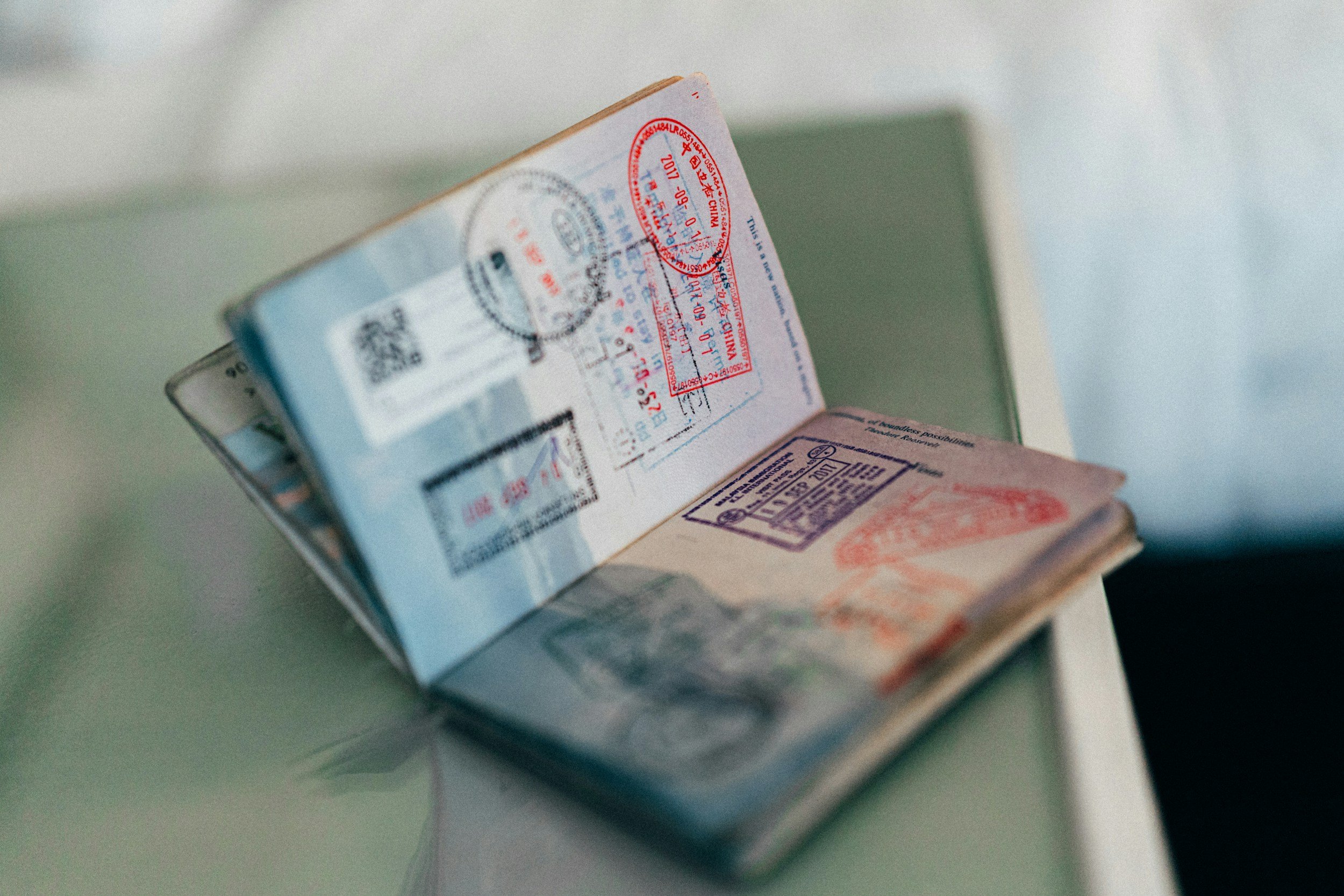
Visa validity controls when the document may be used for travel. But authorized stay controls how long the visitor may remain after a particular entry, while a visitor record concerns status inside Canada. These periods answer different questions and can end on different dates.
A Super Visa may remain valid for up to ten years, but the document can expire sooner. Passport and biometrics validity may shorten the possible visa period, so check its expiry before making later travel plans.
A person who applied on June 22, 2023, or later is eligible for five years at a time. But earlier applications can follow different duration rules. And admission still depends on the border examination, continuing eligibility, and the authorized period granted for that entry.
Before visitor status expires, the parent or grandparent must leave Canada or apply to extend the stay. And a visitor record can extend status inside Canada. But it does not renew the Super Visa, replace an expired travel document, or guarantee re-entry after travel.
The Super Visa also does not itself permit work or study. So most visitors need separate authorization for either activity, and temporary-resident conditions continue during the stay. A parent who begins employment based only on a Super Visa risks unauthorized work consequences.
Finally, temporary status does not convert into permanent residence, so a family seeking it must qualify through a separate program. Use the future extension guide for visitor-record procedure, and recheck the current document before any international trip.
Strategic Trade-off Matrix
The correct route depends on the family’s goal. The Super Visa and standard Visitor Visa address temporary visits. The Parents and Grandparents Program addresses permanent residence. Each choice creates different evidence, financial, and procedural consequences.
| Decision dimension | Super Visa | Standard Visitor Visa | Parents and Grandparents Program |
|---|---|---|---|
| Strategic risk. Next check: choose temporary visiting or permanent residence. | Built for an extended temporary visit. The host and visitor must satisfy additional income, insurance, medical, and family conditions. | Built for temporary visits without the Super Visa-specific host-income and insurance requirements. The visitor must still establish a temporary purpose. | Built for permanent residence. Sponsor eligibility, intake access, family admissibility, and the undertaking create a different risk profile. |
| Appeal or recourse posture. Next check: identify the decision type this route produces. | A refusal is a temporary-resident visa decision and cannot be appealed to the Immigration Appeal Division. | The same Immigration Appeal Division limit applies to an ordinary temporary-resident visa refusal. | A sponsor may have a sponsorship appeal right under section 63, subject to statutory limits. |
| Financial timeline. Next check: separate costs due before and after approval. | The host proves financial support. The visitor secures qualifying insurance and maintains coverage during the stay. | No Super Visa-specific income or insurance test applies. The family still plans travel, healthcare exposure, and support costs. | Application costs arise before a decision. A long-term sponsorship undertaking begins when permanent residence starts. |
| Processing trajectory. Next check: confirm intake access and current processing information. | The parent applies outside Canada. Timing varies by country, completeness, and any extra steps IRCC requests. | Temporary-resident processing also varies by country and case. The requested visit is assessed under ordinary visitor rules. | The 2025 intake is closed. The next intake was unannounced on this page’s review date. |

Choose the route that matches the intended outcome, but remember that the Super Visa and standard Visitor Visa remain temporary pathways. The Parents and Grandparents Program concerns permanent residence and currently follows an intake-based process. So no route is universally better, and eligibility under one does not establish eligibility under another.
Red Flags & Procedural Fairness Letters (PFL)
A weak document does not automatically produce a Procedural Fairness Letter (PFL). But IRCC may request information, schedule an interview, or refuse an application without sending one. A PFL becomes relevant when adverse information raises a concern requiring an opportunity to respond before the decision.
This distinction matters because families often treat every inconsistency as the same problem. A family-size mistake can defeat the income requirement, and an unsupported visit plan can weaken temporary intent. But those issues do not automatically become misrepresentation or medical-admissibility concerns.
IRCC’s temporary-resident processing description says a PFL may be sent when admissibility concerns exist or persist. The letter should identify the concern and provide response instructions. But it is an opportunity to answer before the decision, not an approval indication or appeal.
A disclosure conflict with IRCC records
Temporary-resident applications require accurate immigration-history disclosures, but a material conflict with IRCC records may raise a misrepresentation concern. The issue is the disclosure conflict, not the prior refusal itself.
Consider an application that denies any previous visa refusal when IRCC records contain one. And that difference may raise a possible misrepresentation concern because the answer affects the application’s factual record. IRCC states that applicants can answer adverse information before a misrepresentation decision.
The preventive step is simple but exacting: assemble the complete refusal, entry, removal, and application history before answering the background questions. If an earlier answer was incorrect, disclose the history accurately and explain the mistake with supporting records. Do not guess from memory when dates or application types are uncertain.
If IRCC sends a PFL, answer the precise concern and every factual point raised. But a general statement about honesty does not reconcile the incorrect answer with the prior record. So the response deadline and submission method in the letter control.
A medical-admissibility concern
Every Super Visa applicant completes an immigration medical examination. Excessive demand on health or social services applies to most foreign nationals, including many temporary-resident applicants. But a diagnosis alone does not establish inadmissibility, and not every medical concern can be addressed through the same evidence.
When mitigation is available, IRCC may invite an individualized plan through the procedural-fairness process. The plan must explain how relevant services will be provided and funded. And IRCC’s mitigation guidance also requires financial evidence and a signed declaration when that process applies.
The medical letter defines the concern, available response, and deadline. Respond to the projected services and costs identified by IRCC, not only the diagnosis. A mitigation plan may address eligible outpatient medication or social-service costs, but private payment generally cannot offset projected publicly funded health-service costs.
Keep ordinary financial or visit-purpose weaknesses in their proper category unless separate facts raise a disclosure or admissibility concern. And that discipline prevents families from overlooking the actual issue while preparing for a process that may never arise.

Choose the Right Next Guide or Service
The correct next resource depends on the unresolved task: this pillar explains route fit, current rules, status, and decision order. Detailed calculations, document preparation, policy validation, portal work, and extension procedure belong in focused guides.
IRCC separates current information across its eligibility, document, and application pages. So the Mirzoyan guides below organize each detailed task around one owner.
Use the full Super Visa requirements guide when the uncertainty concerns the family relationship, host status, medical examination, or temporary-resident fit.
Use the income guide when family size, the 75% method, applicant income, or proof creates the problem.
Use the Super Visa document checklist to divide records between the host and parent. Use the invitation-letter guide when the support promise or family-size list needs drafting.
Check Super Visa medical insurance requirements before buying or changing a policy. That guide will own insurer identity, policy terms, foreign-insurer statements, payment records, and entry-stage proof.
Use the application guide for the current portal route, country instructions, biometrics, fees, passport steps, and visa-exempt process. But portal labels can change faster than this pillar’s decision structure.
Use the Super Visa versus Visitor Visa comparison when both temporary routes remain plausible. But use the Parents and Grandparents Program route only when permanent residence is the family’s goal.
Use the extension guide when the parent is already in Canada and needs to protect visitor status. A visitor record addresses the current stay, but it does not renew the travel visa.
If the family wants professional review, Super Visa application support is the commercial service for that decision. Toronto families seeking location-specific service can use Super Visa help in Toronto. The remaining task guides will be linked after each one is published and verified.
Frequently Asked Questions
What is the new Super Visa rule in Canada?
The newest major change is the income calculation effective March 31, 2026. Hosts may qualify using either of the two taxation years immediately before filing. Under the second method, the host and eligible co-signer provide at least 75% of the requirement. Qualifying applicant income may cover the balance, but family size and proof still control the calculation.
How long can someone stay in Canada on a Super Visa?
Someone who applied on or after June 22, 2023 is eligible to stay for five years at a time. But earlier applications can follow different rules. The visa may be valid for up to ten years, but validity is not the authorized stay. Admission and the permitted period remain subject to the border examination.
Can a Super Visa convert to permanent residence?
No, a Super Visa does not convert into permanent residence. It remains temporary resident status even after several long visits. A parent or grandparent seeking permanent residence needs a separate qualifying pathway, such as the Parents and Grandparents Program. That program has its own sponsor rules, intake process, and application requirements.
Is Canada issuing Super Visas now?
Yes. IRCC’s Super Visa application route remains active as of July 12, 2026. However, temporary Ebola measures currently affect some people whose last residence was the Democratic Republic of the Congo, South Sudan, or Uganda. Those measures are scheduled to end on August 28, 2026. Recheck current restrictions before filing or travel.
What are the main benefits and limits of a Super Visa?
The main benefits are multiple entries, possible validity of ten years, and as much as five years on one admission. But the limits include host-income rules, insurance, medical examination, and border discretion. A Super Visa does not itself authorize work, study, or permanent residence. Insurance must remain valid during the stay and for re-entry.
Next Steps for a Super Visa Application
Decide first whether the unresolved issue belongs to route fit, financial support, insurance, or the visitor’s temporary-purpose evidence. And then compare every date and person across the invitation, income calculation, application, and policy. Filing before those records agree can turn a correct individual document into a credibility problem.
The final review option is Mirzoyan Immigration’s Super Visa application support, while One on One Advisory keeps responsibility with a named consultant. Narek Mirzoyan, RCIC # R1005184, or Vahe Mirzoyan, RCIC # R514223, handles client communications. So no intake employee, assistant, or routing desk replaces that direct access. Book a Super Visa consultation at https://calendly.com/mirzoyanimmigration-info.
This article provides general information and is not legal or immigration advice. Current rules and individual facts may change how they apply to a particular case.